

Reasons Your Garage Door Will Not Close
A garage door that won't close poses safety risks and can disrupt daily life. Homeowners in Denver and Boulder can often identify and fix common issues themselves, but some problems may require professional assistance.
- Garage door sensors are crucial for safety and must be aligned to function properly. Cleaning or adjusting them can often resolve closing issues.
- Obstructions in the tracks or worn-out rollers can prevent smooth operation. Regular inspection and maintenance are key to avoiding these problems.
- If basic troubleshooting fails, professional help is recommended for complex issues like spring or cable repairs, ensuring safety and proper function.
A garage door may not close properly due to several common issues, with misaligned or dirty sensors being the most frequent culprits. If the sensors are obstructed or misaligned, they fail to communicate effectively, preventing the door from closing. Regular maintenance and adjustments can often resolve these problems.
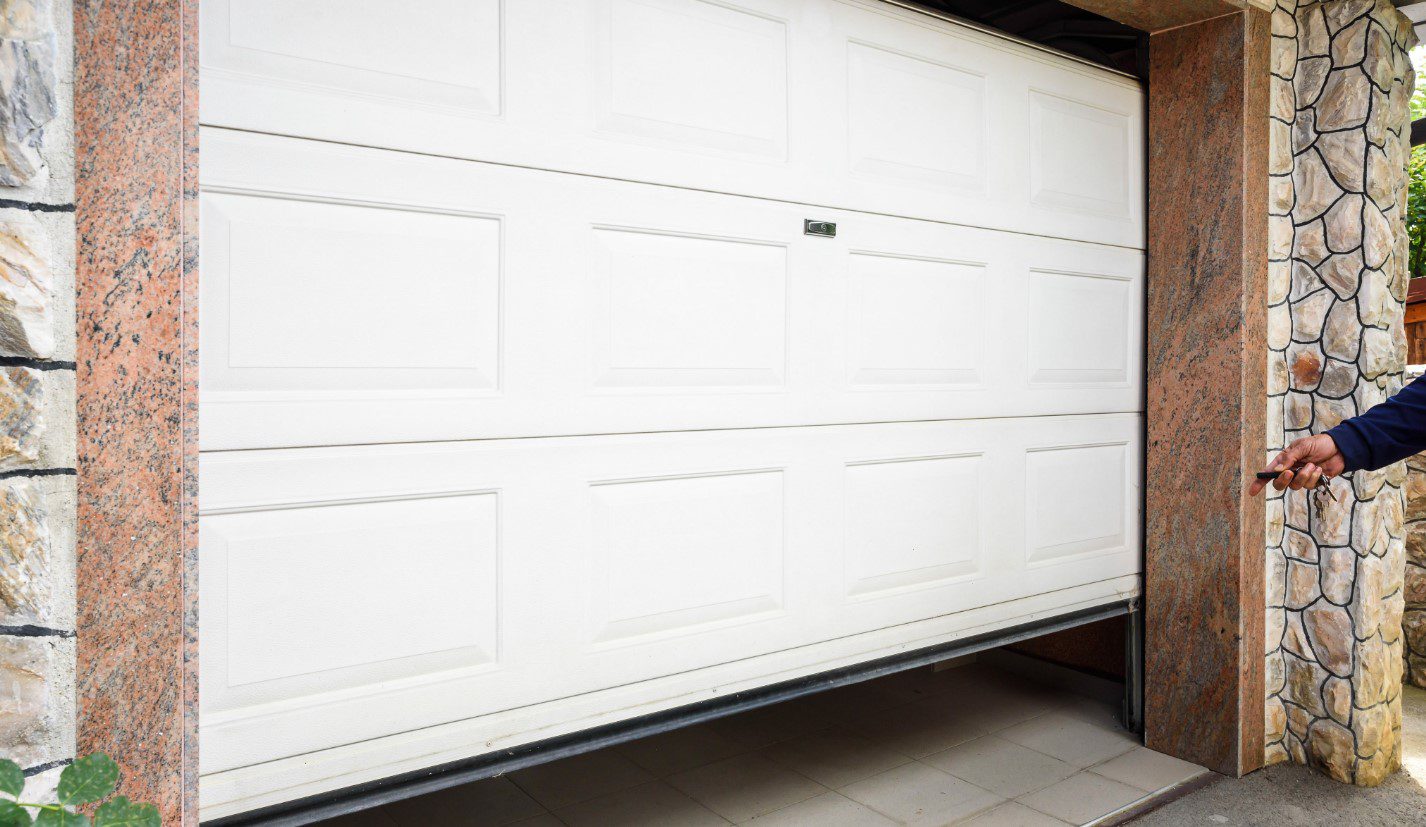
“A malfunctioning garage door is more than an inconvenience—it’s a safety risk. Around 20,000 garage door-related injuries occur annually, many stemming from doors that won’t close properly.” If you’re a homeowner in Denver or Boulder, dealing with a garage door that refuses to close can leave your home vulnerable, disrupt your routine, and frankly, be a bit of a headache.
The good news? Many common causes are easy to identify and address. In this guide, we’ll break down the reasons your garage door might not close and what you can do about it. Whether it’s a quick DIY fix or time to call in the pros, we’ve got you covered.
Sensor Issues: The Most Common Culprit
Garage door sensors play a vital role in ensuring safety. If these small but crucial devices are not functioning correctly, your door won’t close.
Misaligned Sensors
Garage door sensors must be aligned to communicate properly. If one is slightly off-kilter, it can prevent the door from closing. Look for flashing lights on the sensors—this usually signals a misalignment.
Quick Fix: Adjust the sensors so they’re directly facing each other. You’ll know they’re aligned when the indicator lights are steady.
Dirty or Obstructed Sensors
Dust, spiderwebs, or small objects blocking the sensors can also be the problem. The sensors detect obstructions and stop the door from closing to prevent accidents.
Quick Fix: Gently clean the sensors with a soft cloth and ensure nothing is in their path.
Faulty Sensor Wiring
Damaged or loose wiring can interfere with the sensors’ ability to work. If the sensors appear aligned and clean but still don’t work, wiring might be the issue.
Solution: This is where professional help comes in. Faulty wiring often requires a technician’s expertise.
Track or Roller Problems
Your garage door relies on its tracks and rollers to move smoothly. If these parts are compromised, the door may struggle to close.
Obstructions on the Track
Small debris, such as pebbles or dirt, can block the door’s path. This obstruction forces the door to stop mid-operation.
Quick Fix: Inspect the tracks for debris and clear any visible obstructions.
Bent or Misaligned Tracks
Bent or misaligned tracks create resistance, making it hard for the door to close properly or go off track. This often happens after a garage door is hit or improperly maintained.
Solution: You can attempt to straighten minor bends with a rubber mallet. For more significant issues, call a professional for off track repairs.
Worn-Out Rollers
Rollers that are damaged or worn down can cause jerky movement or prevent the door from fully closing.
Solution: Replace old rollers with high-quality ones to ensure smooth operation. A technician can handle this safely and efficiently.
Garage Door Opener Issues
Your opener does more than just open and close the door; it’s the brains of the operation. If something’s off, your garage door won’t close.
Incorrect Limit Settings
Garage door openers have settings that determine how far the door travels when closing. If these settings are off, the door may stop short.
Quick Fix: Consult your opener’s manual to adjust the limit settings. Most models have easy-to-use dials for this purpose.
Broken or Stretched Belts/Chains
The opener’s belts or chains can wear out over time, losing the tension needed to operate correctly.
Solution: A professional can replace these components, restoring your opener’s function.
Faulty Logic Board
If the opener’s internal logic board malfunctions, the door may refuse to close, even when other components seem fine.
Solution: A technician can repair or replace the board, ensuring your opener works as it should.
Broken Springs or Cables
Garage door springs and cables bear the door’s weight, making them critical to its operation.
Spring Damage
Broken or worn springs can leave your door unbalanced, causing it to stop or reverse when closing.
Solution: Spring replacement is not a DIY project. These components are under high tension and require professional expertise.
Cable Issues
Frayed or snapped cables disrupt the balance and alignment of your door, making it impossible to close.
Solution: Like springs, cables require professional repair for safety and precision.
Remote or Wall Button Malfunctions
Sometimes, the problem lies not with the door itself but with how you’re trying to control it.
Dead Batteries
It may sound simple, but dead batteries in your remote are a common cause of a non-closing garage door.
Quick Fix: Replace the batteries and test the remote.
Signal Interference
Nearby devices or physical obstructions can interfere with the signal between the remote and the opener.
Solution: Move closer to the door and remove any objects that might block the signal.
Faulty Wall Button
If the wall-mounted control isn’t working, the wiring may be damaged or worn out.
Solution: A professional can repair or replace faulty wall buttons to restore control.
Door Balance Issues
An unbalanced door creates uneven weight distribution, which can stop the door from closing properly.
Testing the Balance
Disconnect the opener and manually lift the door halfway. If it doesn’t stay in place, it’s unbalanced.
Solution: Balancing a door involves adjusting the springs and cables, which should always be done by a professional.
Safety Reversal System
Your garage door’s safety reversal system is designed to prevent accidents, but when it’s overly sensitive or malfunctioning, it can stop the door from closing.
Engaged Safety Reversal
If the door starts to close but immediately reverses, the safety system may be activated.
Quick Fix: Check for objects or debris on the ground near the door’s path.
Testing the Reversal System
Place an object, like a roll of paper towels, under the door and close it. If the door doesn’t reverse when it touches the object, the system needs adjustment.
Solution: Call a professional to recalibrate the system for proper operation.
Weather-Related Problems
Denver’s climate can also affect your garage door’s ability to close.
Cold Temperatures
Cold weather can cause metal parts to contract, creating resistance that prevents the door from closing.
Quick Fix: Lubricate moving parts to reduce friction and ensure smooth operation.
Moisture and Rust
Snow and rain can lead to rust and corrosion on the tracks, rollers, or other components.
Solution: Inspect and clean affected areas. For severe rust, replacement parts may be needed.
When to Call a Professional
Some garage door issues can be fixed with simple troubleshooting. Others require the expertise of a professional.
- Dangerous Repairs: Springs and cables are under high tension and pose significant risks.
- Persistent Problems: If multiple fixes fail, a technician can provide a more thorough diagnosis.
- Peace of Mind: Professionals ensure your door is safe, secure, and operating smoothly.
Conclusion
A garage door that won’t close isn’t just an inconvenience—it’s a problem that can affect your safety, security, and peace of mind. By identifying the cause, you can often resolve the issue quickly. However, for more complex problems, trust the experts at Strongdoor Garage in Denver. Our experienced technicians are ready to help with fast, reliable service that gets your garage door back to working order.
Don’t let a stuck door slow you down—contact Strongdoor Garage today!


